
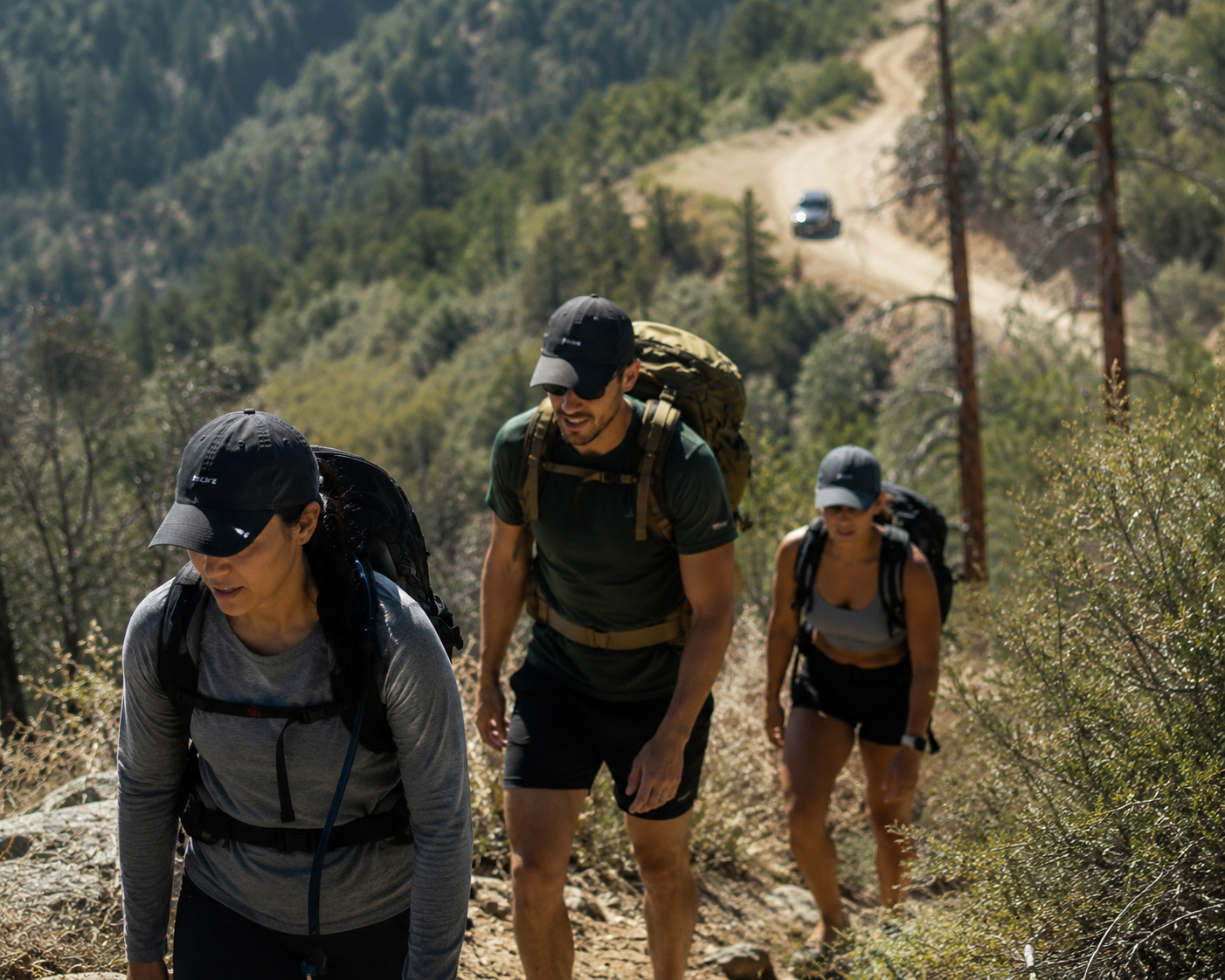
Rucking with a Weighted Vest: Benefits, Tips, and How to Get Started
Walking is one of the simplest, most effective forms of exercise available. But if you are looking to burn more calories, build functional strength, and boost cardiovascular fitness without taking up high-impact running, rucking is worth a look.
Traditionally performed by carrying a weighted backpack, rucking has exploded in popularity among everyday fitness enthusiasts. However, you don’t need a heavy tactical backpack to get in on the action. Subbing in a weighted vest for rucking gives you a balanced, ergonomic setup that keeps you nimble while delivering all the strength and conditioning benefits of a weighted carry.
In this guide, we’ll break down what rucking is, compare weighted vests to traditional rucksacks, explore key physical benefits, and outline how to safely build a routine.
What Is Rucking?
The Basics of Rucking
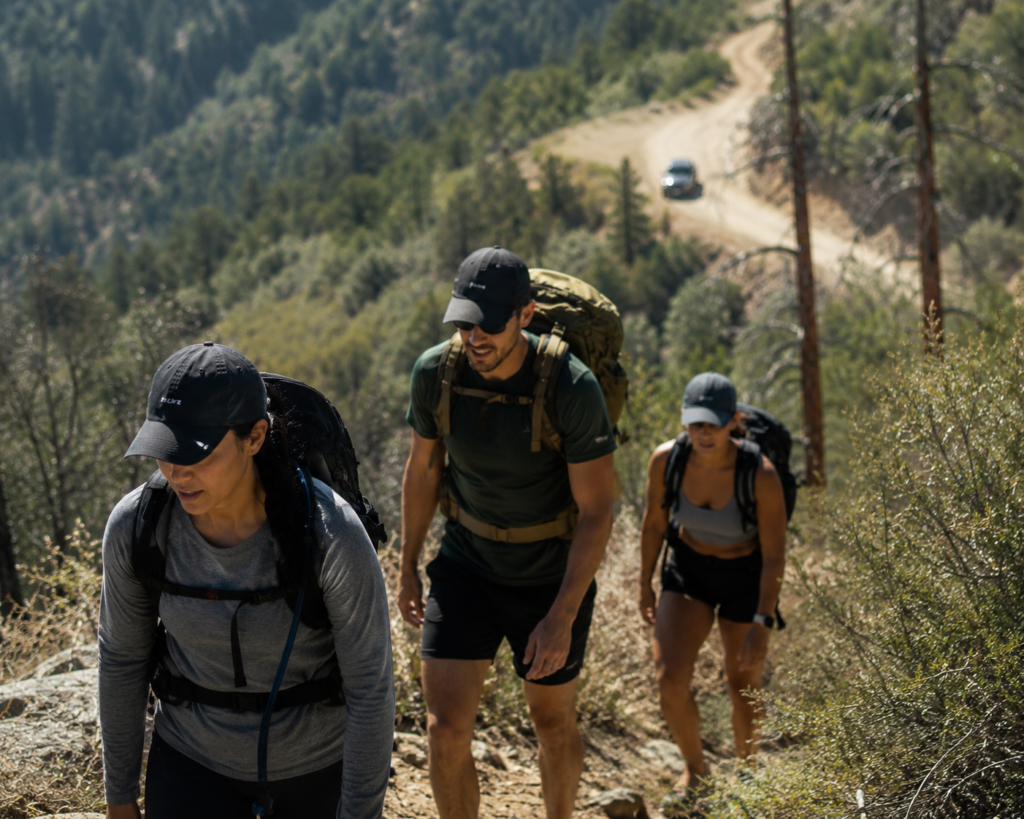
At its core, rucking is simply walking with added weight. The name comes from rucksack, the military term for a heavy backpack.
In military training, soldiers cover long distances carrying gear, weapons, and food to build grueling cardiovascular endurance and structural resilience. Over the last decade, fitness communities have embraced rucking as a low-impact, high-reward functional workout that bridges the gap between steady-state cardio and resistance training.
Weighted Vest vs. Rucksack
While traditional rucking uses a specialized backpack loaded with weight plates or sandbags, a weighted vest offers a popular alternative.
- Weight Distribution: A backpack concentrates weight solely on your back and shoulders, pulling your upper body backward. A weighted vest wraps load around both your chest and back, keeping your center of gravity balanced over your midfoot.
- When a Vest Shines: Weighted vests are ideal for shorter fitness walks, stair climbing, urban routes, and workouts that mix walking with bodyweight exercises (like push-ups or lunges).
- When a Rucksack Wins: If you plan on rucking for 10+ miles, carrying water bladders, or training for backcountry trekking, a backpack is still the go-to gear option.
Can You Ruck with a Weighted Vest?
Is It Effective?
Yes, absolutely. Walking with a weighted vest increases resistance on your muscles and cardiopulmonary system without requiring you to change your natural gait.
Because a vest holds load close to your torso, it reduces lever leverage on your lower back compared to a loose backpack. This makes vest-based rucking particularly effective for staying upright and maintaining proper spinal alignment.
Who Should Consider a Weighted Vest?
- Beginners: Provides a lower barrier to entry without needing specialized rucking packs or heavy steel plates.
- Walkers Wanting More Intensity: An easy step up for anyone who walks regularly and wants higher calorie burn without jogging.
- Urban and Home Fitness Enthusiasts: Perfect for quick 20-to-30-minute neighborhood walks, treadmill sessions, or stairwell workouts.
Benefits of Rucking with a Weighted Vest
1. Burns More Calories Than Regular Walking
Adding weight increases your mass, forcing your body to exert significantly more energy to cover the same distance. Walking at 3.5 mph with a vest loaded to 10–15% of your body weight can increase calorie burn by 20% to 45% compared to unweighted walking.
2. Improves Cardiovascular Endurance
Your heart rate rises quickly when carrying extra weight. Rucking delivers Zone 2 cardio benefits—building aerobic base fitness and cardiovascular stamina—without the joint impact of running.
3. Builds Functional Strength
Rucking engages major muscle groups with every step:
- Lower Body: Glutes, hamstrings, quads, and calves work harder against the load.
- Core and Posture: Mid-back muscles (rhomboids and traps) along with abdominal walls stay engaged to keep you upright.
4. Supports Bone Health
Weight-bearing exercises stimulate bone remodeling. Regular load-bearing walking places gentle pressure on the femur, hip joints, and lumbar spine, promoting higher bone mineral density.
5. Enhances Balance and Stability
The added load challenges your stabilizer muscles. Over time, walking with a vest sharpens body awareness (proprioception) and core stability over uneven terrain.
6. Comfortable for Short and Moderate Rucks
Unlike poorly fitted backpacks that drag on your shoulders or bounce against your lower back, a quality vest fits snug against your ribcage. This eliminates chafing, shoulder digging, and annoying pack sway.
Weighted Vest vs. Rucksack for Rucking
| Feature | Weighted Vest | Rucksack (Backpack) |
| Weight Spread | 50% front / 50% back (even) | 100% on back |
| Max Capacity | Usually 10–40 lbs | 20–70+ lbs |
| Gear Storage | Minimal to none | High (water, food, jacket) |
| Freedom of Movement | High (great for push-ups/calisthenics) | Moderate |
| Best Distance | 1 to 5 miles | 5+ miles |
Which One Should You Choose?
- Choose a Weighted Vest if your main goal is general fitness, home workouts, short neighborhood walks, or calisthenics integration.
- Choose a Rucksack if you are training for military standards, long wilderness hikes, or carrying heavy loads (30+ lbs) over extended periods.
How to Start Rucking with a Weighted Vest
1. Choose the Right Weight
Start with 5% to 10% of your body weight. For a 170 lb person, this means starting with 8 to 15 lbs. Focus on mastering distance and pace before increasing resistance.
2. Wear the Vest Correctly
Adjust the side straps so the vest sits high on your chest and fits snugly around your torso. You should be able to take deep breaths without feeling constricted, but the vest shouldn’t slide or bounce when you walk.
3. Begin with Short Distances
Start with 20 to 30-minute walks 2 to 3 times per week. Allow your feet, ankles, and back time to adapt before adding mileage.
4. Focus on Proper Walking Form
- Stand tall with shoulders relaxed and down (avoid hunching forward).
- Keep your core slightly engaged.
- Maintain a normal, comfortable stride—don’t overstride.
Common Mistakes to Avoid
Warning: Pushing too hard too soon is the quickest path to shin splints and lower back strain.
- Starting Too Heavy: Throwing on a 40 lb vest on day one overloads connective tissue before it adapts.
- Ignoring Recovery: Treat rucking like resistance training; give your muscles a day of rest between heavy sessions.
- Wearing a Loose-Fitting Vest: Excessive movement leads to friction, skin chafing, and poor balance.
- Leaning Forward While Walking: Leaning forward transfers weight directly to your lower back instead of your hips and legs.
- Skipping Warm-Ups and Cool-Downs: Take 2 minutes to do calf stretches and hip openers before heading out.
- Neglecting Hydration: Extra exertion means higher sweat rates—drink water before and after your walk.
Best Workouts Using a Weighted Vest for Rucking
1. Beginner Rucking Walk
- Distance: 1.5–2.5 miles (flat terrain)
- Pace: Conversational (around 15–18 minutes per mile)
- Goal: Build consistent habit and gauge body response.
2. Hill Rucking
- Route: Find a route with rolling hills or an inclined park path.
- Duration: 30 minutes
- Goal: Target posterior chain strength (glutes and hamstrings) and drive up heart rate.
3. Interval Rucking
- Structure: Alternate 3 minutes of brisk walking with 1 minute of relaxed recovery walking.
- Duration: 20–25 minutes total
- Goal: Maximize cardiovascular conditioning in minimal time.
4. Stair Climbing
- Location: Local stadium bleachers, outdoor public stairs, or stairmaster.
- Routine: 15–20 minutes of steady climbing with active rest on downhills.
- Goal: Quad and calf hypertrophy alongside intense aerobic effort.
5. Urban Rucking Route
- Location: Neighborhood sidewalk or park loop.
- Routine: 40-minute walk, stopping every 10 minutes to complete 10 bodyweight squats or elevated push-ups wearing the vest.
How to Choose the Best Weighted Vest for Rucking
When shopping for a vest, prioritize functionality over flashy features:
- Adjustable vs. Fixed Weight: Look for vests with removable weight pouches or plates so you can scale up in small increments as you get stronger.
- Comfort and Breathability: Sweat-wicking neoprene or breathable mesh linings prevent heat buildup during warm weather walks.
- Secure, Zero-Bounce Fit: Dual velcro straps or quick-release buckles keep the vest locked tight against your chest.
- Durable Materials: Heavy-duty nylon (like 500D or 1000D Cordura) withstands friction and weather exposure.
- Reflective Details: Crucial if you ruck early in the morning or after sunset in residential areas.
- Low-Profile Design: Slimmer vests let your arms swing naturally without hitting side bulk.
Why an Adjustable Weighted Vest Is Ideal for Rucking
An adjustable weighted vest offers versatility that fixed-weight gear can’t match:
- Scalable Progression: Start at 10 lbs on week one and gradually add 2–2.5 lb weights as your stamina improves.
- Multi-Exercise Utility: The same vest can be stripped down for calisthenics or loaded up for hill walks.
- Shared Use: Easily adjust weight bars so family members or training partners can use the same vest.
Frequently Asked Questions
Is rucking with a weighted vest as effective as using a backpack?
For general fitness, heart health, and calorie burn, yes. A vest distributes weight more evenly, making it easier on the shoulders and lower back while delivering similar energy expenditure.
How heavy should a weighted vest be for rucking?
A safe starting point is 5% to 10% of your body weight. Once comfortable, advanced users can progress up to 15%–20% for fitness training.
Can beginners start rucking with a weighted vest?
Yes! In fact, a low-profile weighted vest (loaded with 5–10 lbs) is often more comfortable for beginners than a heavy backpack.
Is a weighted vest better for long-distance rucking?
Not usually. For distances over 5 miles or multi-hour hikes, a dedicated rucksack with a hip belt is better equipped to support heavier loads and carry water/supplies.
Does rucking with a weighted vest build muscle?
It builds muscle endurance and functional strength in the legs (quads, glutes, calves) and postural core, though it won’t replace traditional heavy strength training for maximum muscle building (hypertrophy).
How many calories does weighted vest rucking burn?
Depending on pace, weight, and terrain, rucking burns roughly 300 to 500+ calories per hour—about 30% to 50% more than unweighted walking.
Can you run while wearing a weighted vest?
You can, but proceed with caution. Running significantly increases joint impact forces. If you choose to run in a vest, keep the weight light (under 10% of body weight) and run on soft surfaces.
How often should you ruck with a weighted vest?
Starting at 2 to 3 sessions per week with rest days in between gives your connective tissues time to recover and adapt.
Conclusion
Rucking with a weighted vest is one of the most practical ways to level up your daily walk. It builds functional leg and core strength, burns elevated calories, and boosts cardiovascular health—all while keeping joint impact low.
When going out for rucking in the park or in nature in california, make sure to follow california dmv rules on the road at all times.