California DMV Vehicle Registration: Complete Step‑by‑Step Guide
California DMV vehicle registration is the process of legally registering your car with the California Department of Motor Vehicles so you can drive it on public roads, get license plates, and stay compliant with state law. This guide explains who must register, required documents, fees, deadlines, and step‑by‑step instructions in simple language.
Who Must Register a Vehicle in California?
You must complete California DMV vehicle registration if:
- You live in California and buy a new or used vehicle from a dealer or private seller.
- You move to California with an out‑of‑state vehicle and become a resident.
- You inherit, are gifted, or otherwise acquire a vehicle that will be primarily used in California.
In most situations, you must register within a short time window after purchase or after establishing residency, so acting quickly is important.
Required Documents for California DMV Vehicle Registration
To avoid delays and extra visits, gather all key documents before you start the registration process. Typically, you will need:
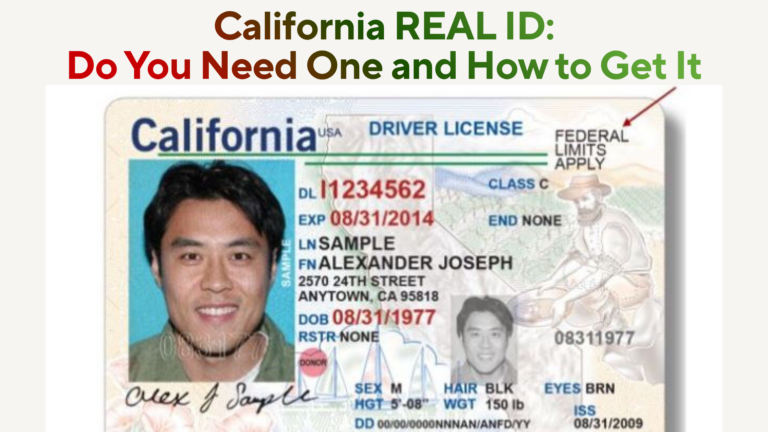
- Valid California driver’s license or identification card.
- Proof of ownership (vehicle title, sometimes called “pink slip”; or Manufacturer’s Certificate of Origin for a new car).
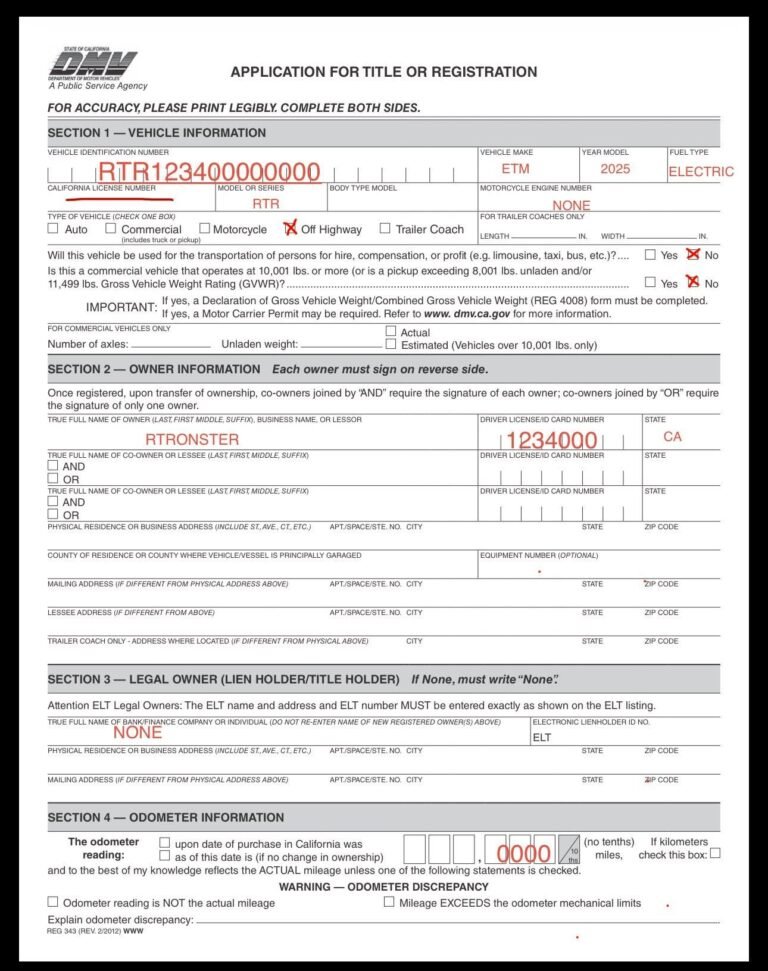
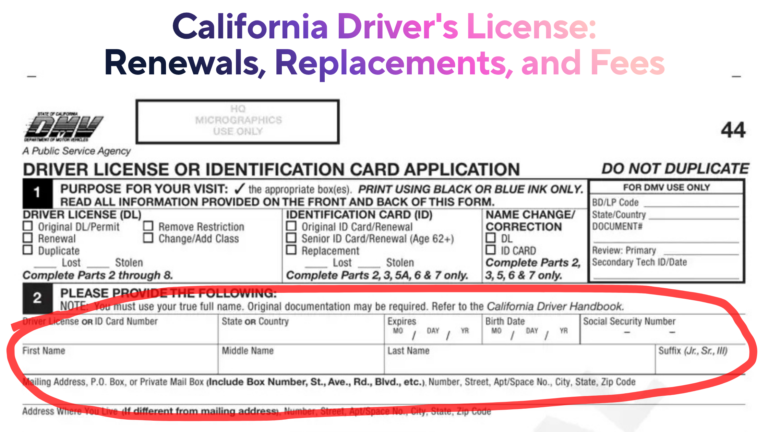
- Completed Application for Title or Registration (Form REG 343) or other DMV‑specified application form.
- Proof of valid auto insurance that meets California liability requirements.
- Odometer reading disclosure for vehicles under a set age threshold.
- Smog inspection certificate (if required based on model year, fuel type, and location).
- Bill of sale or purchase agreement showing purchase price and date.
- Any lienholder information, if the vehicle is financed.
Always check the latest DMV checklist, because specific situations like salvage vehicles, commercial vehicles, or leased cars can require extra paperwork.
How to Register a Vehicle in California: Step by Step
Follow these steps to complete your California DMV vehicle registration efficiently:
- Confirm your eligibility and deadline
- Identify whether you are a new resident, a California buyer, or registering an out‑of‑state vehicle.
- Note your deadline to register, which is usually within a limited number of days from purchase or from establishing residency.
- Gather all required documents
- Collect your ID, title, insurance proof, smog certificate (if required), and completed application form.
- Ensure names and VIN (Vehicle Identification Number) match across all documents.
- Complete the application form
- Fill out the Application for Title or Registration carefully with VIN, license plate (if any), odometer, and owner details.
- Declare any liens, co‑owners, or special vehicle conditions honestly.
- Get a smog check if needed
- If your vehicle is not exempt, visit a licensed smog check station before going to the DMV.
- Keep the valid smog certificate with your registration paperwork.
- Estimate and pay DMV registration fees
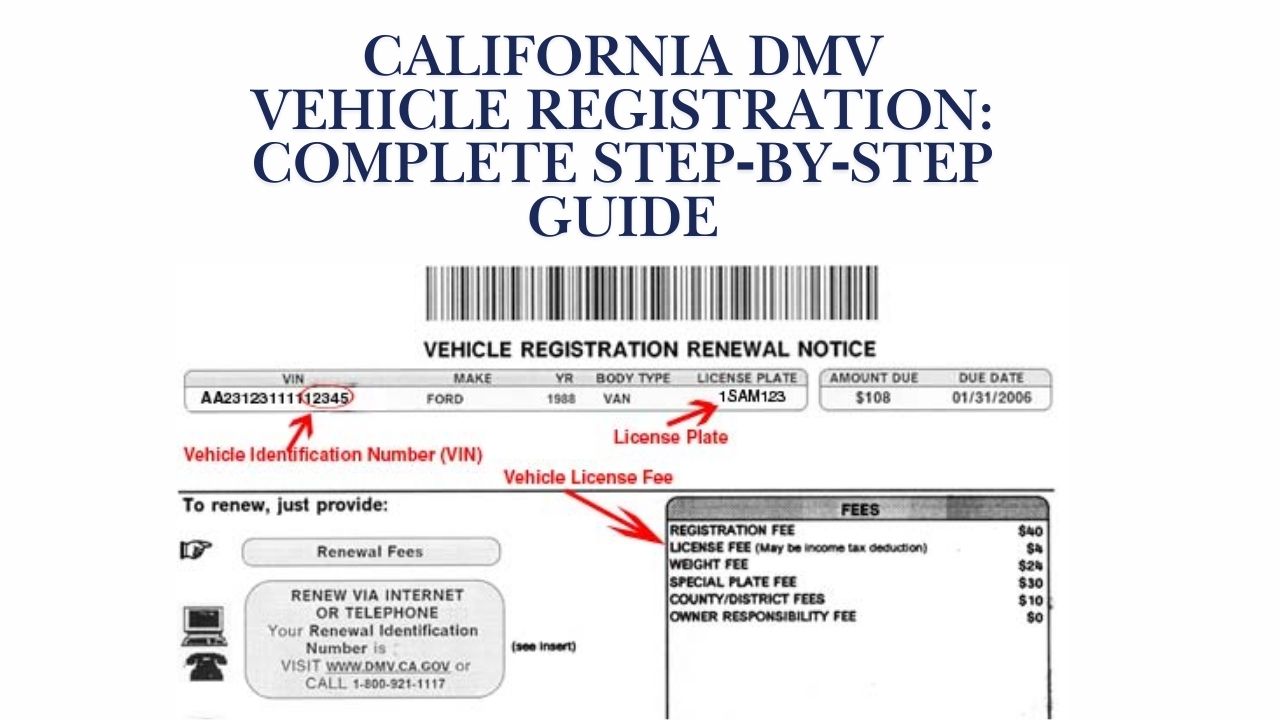
- California registration fees usually include a base registration fee, California Highway Patrol fee, transportation improvement or local fees, plus any use tax and title fees.
- The total cost depends on vehicle type, value, weight, location, and renewal month.
- Visit the DMV or use online options where available
- For many renewals and simple transactions, you can complete registration online, by mail, or via authorized third‑party services.
- For first‑time registration, out‑of‑state transfers, or special cases, you often need an in‑person visit.
- At the DMV, a clerk may verify your VIN and review all documents before processing.
- Receive plates, stickers, and registration card
- Once payment is accepted, the DMV issues a registration card and year/month stickers.
- Attach stickers to your license plate as instructed and keep your registration card in the vehicle.
California DMV Vehicle Registration Fees
California DMV vehicle registration fees vary, but they normally include:
- Registration fee (base amount for all vehicles).
- California Highway Patrol (CHP) fee.
- Use tax based on purchase price and local tax rate.
- Title transfer fee if ownership changes.
- County or district‑level transportation improvement fees.
- Late penalties if you miss your registration deadline or renewal date.
Because fees depend on your vehicle and address, the DMV provides fee calculators and official schedules so you can estimate charges before you pay.
New vs. Used vs. Out‑of‑State Vehicle Registration
Registering a new vehicle from a dealer
- Dealers usually submit most paperwork to the DMV on your behalf.
- You may receive temporary registration while permanent plates and stickers are processed.
Registering a used vehicle bought from a private seller
- You must take the signed title, bill of sale, and other documents to the DMV yourself.
- Make sure the odometer section on the title is completed when required and the seller signs and dates correctly.
Registering an out‑of‑state vehicle
- You typically must complete a VIN inspection and provide your out‑of‑state title and registration.
- A California‑compliant smog certificate is usually required unless the vehicle is exempt.
In all three cases, your vehicle cannot legally be driven on California roads after deadlines have passed without valid registration, except in narrow DMV‑defined situations.
California DMV Registration Renewal
California vehicle registration is not a one‑time event; you must renew it periodically, usually once per year.
Key points for renewal:
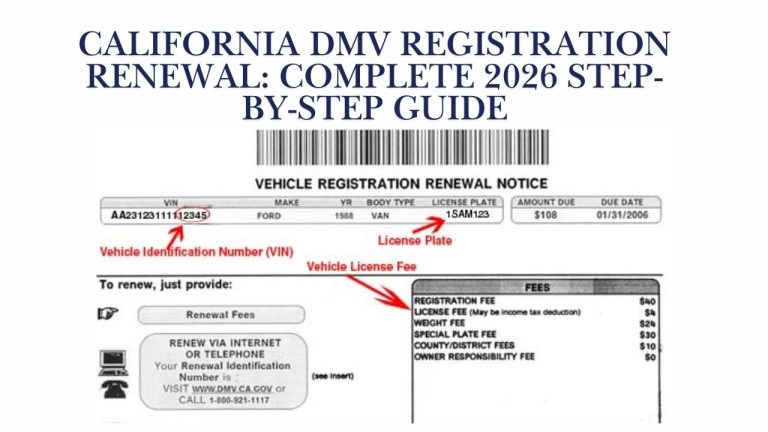
- The DMV sends a renewal notice showing the amount due, renewal date, and any smog requirements.
- Most renewals can be done online, by mail, at DMV kiosks, or via authorized partners.
- Driving with expired registration can lead to fines, late penalties, and even impound in serious cases.
Keep your address updated with the DMV so renewal notices and new stickers reach you on time.
Smog Check and California DMV Vehicle Registration
Smog check rules are closely tied to registration in California:
- Many gasoline‑powered vehicles over a certain age must pass a smog check before first registration or renewal.
- Some vehicles are exempt (for example, many newer vehicles, electric vehicles, or certain hybrids and diesels, depending on current law).
- If your car fails a smog inspection, you must repair emissions‑related issues and retest before registration can be completed.
Because smog rules can change, always follow the instructions on your renewal notice and confirm whether your vehicle is required to test this cycle.
Common California DMV Vehicle Registration Problems and Fixes
Here are frequent registration issues and simple ways to avoid or fix them:
- Missing documents: Double‑check the DMV’s list before your visit. Incomplete paperwork is the top cause of delays.
- Incorrect title information: If the title has the wrong name, VIN, or odometer reading, correct it with the seller before filing.
- Lapsed insurance: California requires active insurance for registration; renew or update your policy first.
- Unpaid tickets or tolls: Outstanding citations can block registration; resolve them early.
- Late renewal: Mark your calendar before your expiration date to avoid penalties and last‑minute stress.
Planning ahead and using online tools where possible can make registration faster and simpler.
California DMV Vehicle Registration: Quick FAQ
How long do I have to register a vehicle after moving to California or buying a car?
You generally have a limited number of days from purchase or from becoming a resident to complete California DMV vehicle registration, so you should start as soon as possible.
Can I register a car in California without insurance?
No. You must show proof of minimum California liability insurance to register and keep a vehicle legally on the road.
Do I need a smog check for every renewal?
Not always. Many vehicles are only required to complete a smog inspection every other renewal cycle, and some vehicles are fully exempt, depending on age, fuel type, and other factors.
Can I complete California DMV vehicle registration online?
You can usually renew online and, in some situations, handle certain other registration tasks digitally, but first‑time registrations and complex cases often require an in‑person visit.